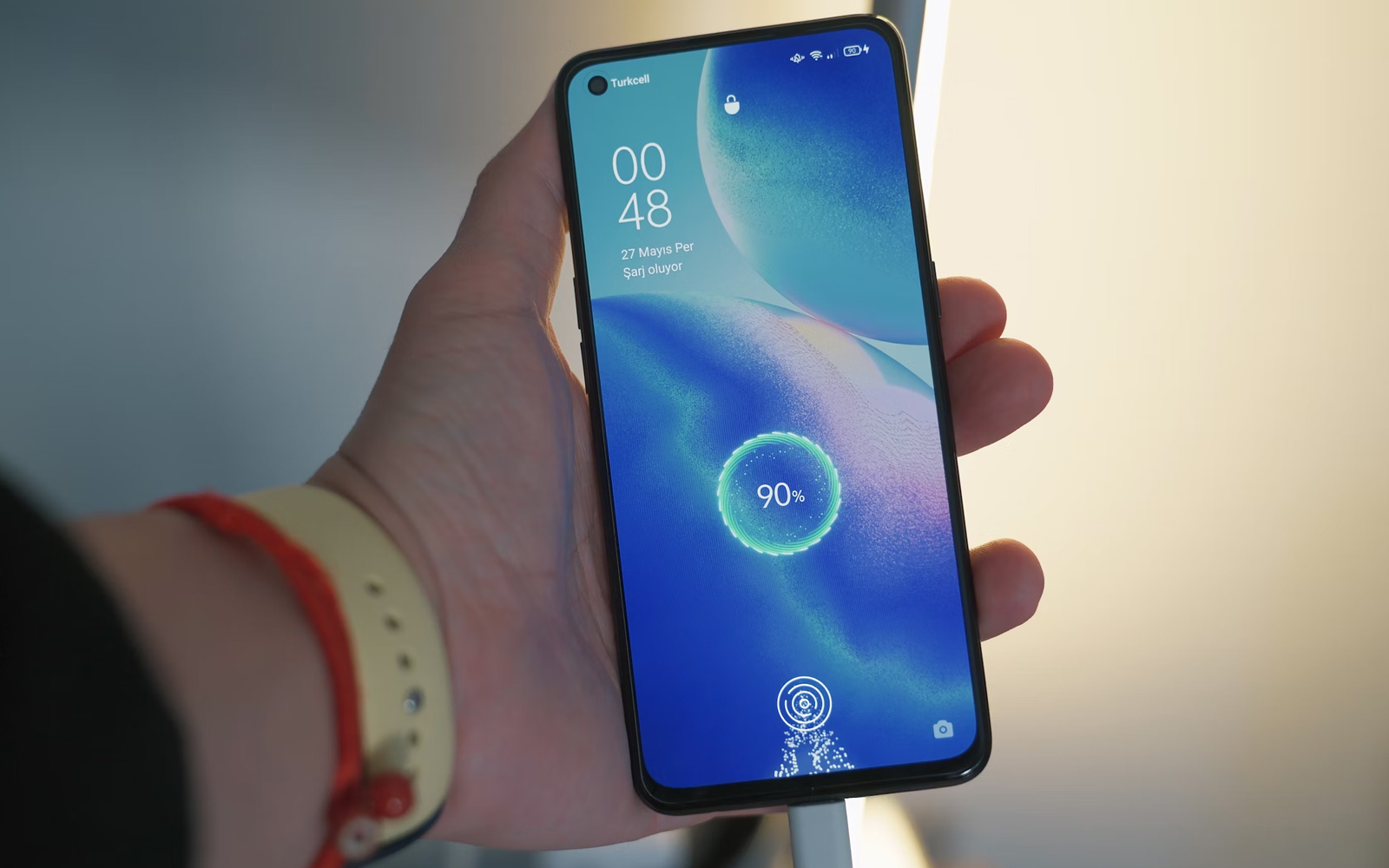
When buying a new phone, many users hope to keep it functioning at its best for as long as possible.
One of the key factors in maintaining your phone’s longevity is the battery, which typically lasts between two to four years before its performance begins to degrade.
Over time, all batteries gradually lose capacity. This becomes noticeable when your phone doesn’t last as long on a single charge as it did when it was new. While this is an inevitable process, you can take steps to slow it down. One simple strategy is to follow the “20/80 Rule.“
The 20/80 Rule applies to charging your phone but can also be used for tablets, laptops, and other battery-powered devices. The rule is straightforward: it suggests keeping your battery between 20% and 80% charged, avoiding both full depletion and charging it to 100%.
Unlike older types of batteries, modern lithium-ion and lithium-polymer batteries don’t suffer from “memory” issues, but they are still sensitive to wear and tear. Frequently charging your phone above 80% or allowing the battery to drop below 20% increases stress on the battery. This added strain speeds up battery degradation, reducing its overall lifespan.
The reason behind this is that batteries wear out faster when they are charged to extreme levels. By keeping your battery within the optimal 20% to 80% range, you can significantly slow its deterioration. So, if you want your new phone to last as long as possible, try adopting this simple but effective charging strategy.
Some smartphone manufacturers have already responded to this issue by incorporating features in their software to help maintain the battery within this optimal range. For instance, Xiaomi, Redmi, and Poco phones with HyperOS offer a setting that enables “Optimized Charging,” which keeps the battery within the recommended range. You can find this option by navigating to Settings > Battery > Battery Protection > Optimized Charging.
iPhones running iOS 13 and above also offer similar features. Under Settings > Battery > Battery Health & Charging, iPhone 15 users can choose between “Optimized Battery Charging” or “80% Limit.” When the 80% Limit is enabled, the iPhone will stop charging once it reaches 80% and only resume if the charge drops to 75%, preventing unnecessary charging beyond the optimal limit.
If your phone doesn’t offer a built-in option to manage battery health, Android users can try free apps like AccuBattery. This app allows you to set an alert when your battery reaches a specific charge level, such as 80%, helping you avoid overcharging.
To extend the lifespan of your phone’s battery, explore your system’s battery settings and enable any features designed to protect the battery. While the specific terms and menu structures may vary across different manufacturers, newer devices typically offer these helpful functions to maximize battery life.